The Natural Arthritis Solution
A Whole-Food Guide to Reducing Knee and Leg Pain Without Relying Solely on Medication
Pain should never become your identity.
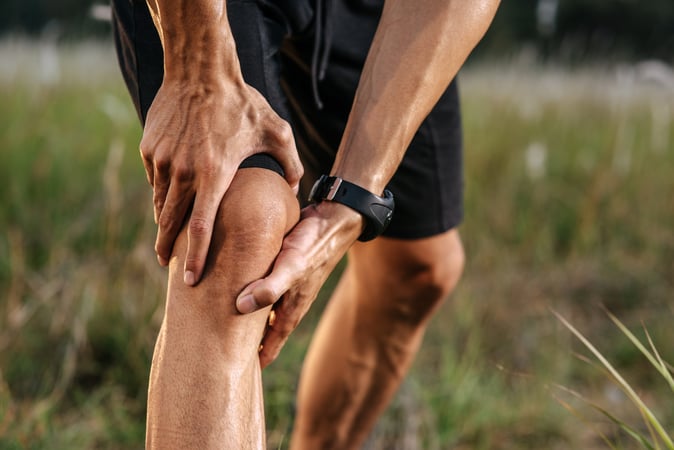
Millions of people wake each morning with aching knees, stiff joints and sore muscles that make even the simplest daily activities difficult. Walking becomes uncomfortable. Climbing stairs becomes a challenge. Enjoying time with grandchildren, gardening, travelling or exercising often feels like a distant memory.
For many, the immediate response is to reach for pain medication. While medicines certainly have an important place, they rarely address the underlying causes contributing to chronic joint pain. Increasingly, researchers are recognising that inflammation, poor nutrition, muscle weakness, excess body weight and inactivity all play significant roles in the progression of osteoarthritis and many forms of chronic musculoskeletal pain.
The encouraging news is that our bodies possess an extraordinary ability to heal and adapt when given the right environment. Although natural therapies cannot reverse severe arthritis or regenerate extensively damaged cartilage, they can often reduce inflammation, improve mobility, strengthen supporting muscles and significantly enhance quality of life.
The goal is not simply to live longer—it is to live better.
Understanding Why Joints Become Painful
Our knees are remarkable engineering masterpieces. Every day they absorb thousands of kilograms of force as we walk, climb stairs, lift objects and exercise.
Over time, several factors begin to affect these joints:
- Natural ageing
- Previous injuries
- Excess body weight
- Weak muscles
- Chronic inflammation
- Poor circulation
- Nutritional deficiencies
- Sedentary lifestyles
While cartilage naturally changes with age, many symptoms people associate with "arthritis" are actually made worse by inflammation surrounding the joint and by weakened muscles that no longer adequately support it.
Fortunately, these are areas we can influence.
Food Is One of Nature's Most Powerful Medicines
Perhaps the greatest advance in understanding arthritis over the past two decades has been recognising the influence of diet on inflammation.
A diet dominated by sugar, refined carbohydrates and highly processed foods encourages chronic, low-grade inflammation throughout the body. This inflammatory environment can worsen joint pain and stiffness.
In contrast, a whole-food Mediterranean-style eating pattern consistently demonstrates benefits for people living with osteoarthritis and other inflammatory conditions.
Choose foods such as:
- Colourful vegetables
- Leafy greens
- Berries
- Extra virgin olive oil
- Avocados
- Oily fish
- Nuts and seeds
- Eggs
- Lean poultry
- Legumes
- Herbs and spices
At the same time, minimise:
- Soft drinks
- Confectionery
- White bread
- Cakes
- Highly processed snack foods
- Deep-fried foods
- Excess alcohol
Every meal becomes an opportunity to either fuel inflammation or calm it.
Why Weight Loss Makes Such a Difference
One of the most effective ways to reduce knee pain is also one of the simplest to understand.
Every extra kilogram carried increases the force transmitted through the knee during walking and climbing stairs.
Losing even 5–10% of body weight can substantially reduce discomfort while improving mobility and independence.
The benefits extend far beyond the joints. Weight reduction also improves:
- Blood pressure
- Blood sugar
- Cholesterol
- Energy
- Sleep quality
- Confidence
Rather than pursuing crash diets, aim for sustainable lifestyle changes built around real food.
Exercise Is Medicine
Many people stop moving because their knees hurt.
Ironically, this often makes the problem worse.
Movement stimulates joint lubrication, improves circulation, strengthens muscles and helps maintain flexibility.
The best exercises are usually low impact.
Excellent choices include:
- Walking
- Swimming
- Hydrotherapy
- Cycling
- Gentle yoga
- Tai Chi
- Resistance training
Strengthening the quadriceps, hamstrings, gluteal muscles and calves helps stabilise the knee and reduces stress placed directly on the joint surfaces.
Consistency is far more important than intensity.
Even twenty minutes each day can produce meaningful improvements over several months.
The Importance of Muscle Strength
Pain does not always come from damaged cartilage.
Sometimes it results from muscles becoming weak and unable to support the joint effectively.
Strong muscles act like shock absorbers.
Resistance exercises performed two or three times each week can improve:
- Balance
- Stability
- Walking speed
- Confidence
- Pain levels
- Functional independence
A physiotherapist or qualified exercise professional can develop an individual program suitable for almost every fitness level.
Natural Supplements That Have Scientific Support
Although supplements are not miracle cures, several have encouraging research behind them.
Curcumin
Curcumin, the active ingredient in turmeric, is among the most studied natural anti-inflammatory compounds.
High-quality formulations with improved absorption have demonstrated reductions in pain and improvements in function for many people with knee osteoarthritis.
Omega-3 Fish Oil
Fish oil provides EPA and DHA, omega-3 fatty acids that help regulate inflammation.
Additional benefits include cardiovascular support and brain health.
Boswellia
Boswellia, sometimes called Indian frankincense, has shown promise in reducing pain and stiffness in osteoarthritis.
Magnesium
Many adults consume insufficient magnesium.
Magnesium glycinate may assist muscle relaxation, reduce cramping and improve sleep quality.
Vitamin D
Low vitamin D levels are common, particularly in older adults.
Correcting a deficiency supports muscle strength, balance and bone health.
Always discuss supplements with your healthcare professional, particularly if you take prescription medications or blood thinners.
Heat, Cold and Water Therapy
Simple physical therapies remain highly effective.
Heat relaxes stiff muscles before activity.
Cold packs help calm inflammation after exercise or periods of increased discomfort.
Hydrotherapy combines warmth with buoyancy, allowing joints to move freely while strengthening surrounding muscles without excessive impact.
Many people who struggle to walk comfortably on land find enormous relief exercising in warm water.
Looking Beyond the Joint
Joint pain is not always caused solely by arthritis.
Pain behind the knee, for example, may relate to:
- Tight hamstrings
- Tight calf muscles
- Tendon irritation
- Baker's cysts
- Circulation problems
- Referred pain from the lower back
Persistent swelling, redness, severe pain, fever, numbness or sudden inability to bear weight should always be medically assessed.
A correct diagnosis is essential before beginning any treatment plan.
The Often Forgotten Role of Sleep
Poor sleep increases pain sensitivity.
Pain then disrupts sleep even further.
Breaking this cycle can significantly improve wellbeing.
Helpful habits include:
- Keeping a regular bedtime
- Limiting caffeine late in the day
- Reducing screen exposure before bed
- Gentle evening stretching
- Managing stress
- Ensuring adequate magnesium and vitamin D if appropriate
Good sleep allows tissues to recover while helping regulate inflammatory hormones.
Stress and Chronic Pain
Emotional stress and physical pain frequently reinforce one another.
Chronic stress elevates hormones that may contribute to inflammation while increasing muscle tension.
Simple practices such as:
- Deep breathing
- Prayer
- Meditation
- Spending time in nature
- Gentle walking
- Meaningful social connection
can improve emotional wellbeing while helping reduce pain perception.
Healing involves the whole person—not just the knee.
Putting It All Together
Imagine combining these simple daily habits:
- Eat nourishing whole foods.
- Walk every day.
- Strengthen your legs.
- Stretch regularly.
- Maintain a healthy weight.
- Use evidence-based supplements where appropriate.
- Sleep well.
- Manage stress.
- Stay socially connected.
- Remain hopeful.
None of these alone is likely to transform your health overnight.
Together, however, they create a powerful foundation for healthier joints and a better quality of life.
The Bottom Line
Nature has provided remarkable tools to help us move with less pain and greater freedom.
While there is currently no cure for osteoarthritis, there is abundant evidence that lifestyle choices profoundly influence how we experience the condition.
Every healthy meal reduces inflammatory burden.
Every walk nourishes your joints.
Every strengthening exercise builds resilience.
Every kilogram lost eases pressure on aching knees.
Every good night's sleep allows your body to repair.
The journey toward healthier joints is rarely about one dramatic breakthrough. It is built through hundreds of small decisions made consistently over time.
Start today.
Take one walk.
Eat one nourishing meal.
Perform one strengthening exercise.
Small daily choices become lifelong habits—and lifelong habits create healthier joints, greater independence and a richer, more active life.
This article is for educational purposes only and should not replace personalised advice from your doctor or other qualified healthcare professional. Seek prompt medical assessment if you experience sudden severe joint pain, marked swelling, redness, fever, or inability to bear weight.