
In today’s world of quick fixes and prescription solutions, it’s easy to forget the power of foundational lifestyle changes—particularly when it comes to chronic health issues like inflammation, obesity, and type 2 diabetes. But one dietary approach continues to emerge as a powerful tool to address all three: the low-carb and ketogenic diet.
These diets have shifted from controversial to clinically proven. Over the past two decades, more than 20 human studies have confirmed what countless individuals have experienced firsthand: reducing carbohydrates and focusing on quality fats and proteins can dramatically improve health outcomes.
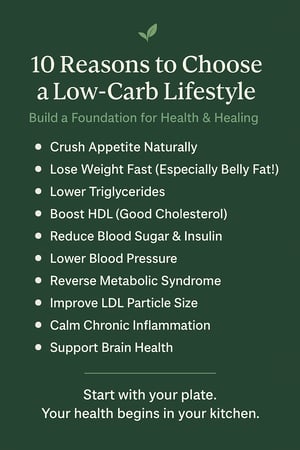
Here are 10 powerful, research-backed reasons why starting with a low-carb or ketogenic approach can lay the groundwork for a healthier, more vibrant life:
1. It Naturally Reduces Appetite
One of the biggest struggles with most diets is hunger. Low-carb eating naturally reduces appetite, making it easier to eat fewer calories without feeling deprived—setting the stage for sustainable weight loss.
2. It Accelerates Weight Loss—Especially Abdominal Fat
Low-carb diets aren’t just effective for shedding kilos—they target dangerous visceral fat, the type that surrounds your organs and fuels inflammation and insulin resistance. People often see faster weight loss, especially in the first 6 months, compared to low-fat diets.
3. It Drives Down Harmful Triglycerides
High triglycerides are a major risk factor for heart disease. Reducing sugar and refined carbs leads to a dramatic drop in triglyceride levels, often within weeks.
4. It Elevates ‘Good’ HDL Cholesterol
Unlike low-fat diets, low-carb approaches boost HDL cholesterol, which helps remove harmful cholesterol from the bloodstream—reducing heart disease risk.
5. It Reverses Blood Sugar Problems
By cutting carbs, we lower the body’s need for insulin. For people living with prediabetes or type 2 diabetes, this can lead to improved blood sugar control and, in some cases, medication reduction or even reversal.
6. It Lowers Blood Pressure
High blood pressure often improves quickly when carbohydrates are restricted—reducing the risk of stroke, heart attack, and kidney disease.
7. It Reverses Metabolic Syndrome
Low-carb eating tackles the root causes of metabolic dysfunction, including high blood pressure, belly fat, high blood sugar, and poor cholesterol profiles. It’s one of the most effective nutritional strategies to treat this widespread condition.
8. It Improves LDL Cholesterol Particle Size
Not all LDL (bad) cholesterol is created equal. Low-carb diets shift LDL particles to a larger, less harmful type and often reduce the number of particles overall.
9. It Supports Brain Health
Ketogenic diets are more than just a weight-loss tool. They’ve been used for decades to treat epilepsy and are now being explored as a therapy for Alzheimer’s, Parkinson’s, and other neurological conditions.
10. It Reduces Chronic Inflammation
Perhaps most importantly, chronic inflammation is driven by excess sugar, insulin, and processed carbs. A low-carb approach helps calm inflammation—one of the most insidious drivers of modern disease.
Food is the First Line of Defense
The evidence is clear: A well-formulated low-carb or ketogenic diet is one of the most powerful tools available to combat modern metabolic diseases. Before medications, before surgery, before extreme measures—start with your plate.
Whether your goal is to lose weight, reduce blood sugar, or reduce your risk of chronic disease, your food foundation matters. And for many, low-carb isn’t just a diet—it’s a lifesaving lifestyle shift.
Want Help Making the Switch?
If you’re ready to explore a low-carb or ketogenic lifestyle—or you’re struggling to make it stick—reach out. You don’t have to go it alone. Whether you’re a healthcare professional or someone looking to improve your health, I’m here to support you with coaching, education, and practical steps that lead to lasting change.




.png?width=624&height=427&name=Dangers%20of%20Ozempic%20%26%20Mounjaro%20(1).png)