.png?width=1024&height=450&name=Dangers%20of%20Ozempic%20%26%20Mounjaro%20(1).png)
In recent years, drugs like Ozempic (semaglutide) and Mounjaro (tirzepatide) have been
hailed as “miracle” solutions for weight loss. Originally developed to manage type 2 diabetes,
these medications are now being widely prescribed — and in some cases self-administered —
to people desperate to shed extra kilos.
While these medications are clinically proven to reduce appetite and support significant
weight loss, they are not a cure. For many, they are simply a very expensive form of yo-yo
dieting — unless accompanied by meaningful, lasting lifestyle change.
Let’s take a closer look at what really happens when you stop taking Ozempic or Mounjaro
— and what you can do to protect your health and weight loss progress.
Weight Loss Drugs Work — But Only While You're
Taking Them
Unlike a short course of antibiotics, which eliminate an infection, drugs like semaglutide and
tirzepatide don't fix the root causes of obesity. That’s because obesity is a chronic, complex
condition, influenced by genetics, lifestyle, metabolism, environment, and emotional
wellbeing.
When these drugs are discontinued, research shows that most people regain the weight —
and often in the form of fat.
So, unless you plan to stay on these medications for life (which comes with cost, side effects,
and supply challenges), it’s crucial to develop sustainable lifestyle strategies for long-term
success.
What Happens When You Stop Ozempic or Mounjaro?
Stopping these medications causes several physiological changes:
- Hunger Returns: These drugs suppress your appetite by mimicking gut hormones.
Once they're gone, those hunger cues return — often stronger than before. - Blood Sugar Spikes: The medication’s role in regulating insulin stops, which may
cause blood glucose levels to rise — especially dangerous for those with type 2
diabetes. - Cholesterol and Blood Pressure May Rise: As weight comes back, so too can
elevated risk factors for cardiovascular disease. - Fat Gain > Muscle Gain: During weight regain, your body preferentially stores fat,
especially if exercise and diet aren’t part of your routine.
These shifts often happen quickly — within weeks of stopping the drug — and can
undermine months of progress.
The Yo-Yo Dieting Trap
Going on and off these drugs can lead to the same rollercoaster effect seen in yo-yo dieting:
- Weight fluctuations strain the heart and metabolic system
- Repeated weight gain and loss can increase inflammation and insulin resistance
- Emotional toll of perceived “failure” can damage mental health and self-esteem
Surprisingly, the risks of weight cycling are even greater for people who were not obese
to begin with — a group increasingly using these medications to shed a few unwanted kilos.
Six Ways to Support Sustainable Weight Loss
If you’re currently on Ozempic or Mounjaro — or planning to stop — here’s how to
transition wisely:
1. Prioritize Quality Sleep
Sleep deprivation disrupts hormones like ghrelin and leptin, which control hunger and
fullness. Lack of sleep also impairs insulin sensitivity and increases cravings. Aim for 7–9
hours of uninterrupted sleep each night.
2. Heal Your Relationship With Food and Body
Medications can’t fix emotional eating, trauma, or internalized shame about body size.
Addressing mental and emotional triggers is crucial. Remember: our culture’s fat-phobia
can harm you more than your body size ever could.
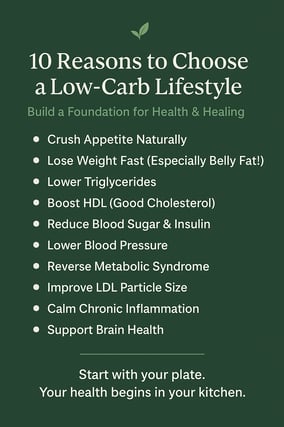
3. Choose a Sustainable Eating Plan
A whole-food ketogenic program, like the Ultra Lite approach (www.ultralite.com.au),
sup0ports fat loss while maintaining muscle and stabilizing blood sugar. It’s designed for real
peopl0001e living real lives — not just the short-term fix.
4. Exercise for Muscle, Not Just Movement
Building and preserving lean muscle is vital for metabolism and healthy ageing. Prioritize
resistance training alongside cardio to avoid regaining fat while losing muscle.
5. Stay in Touch With Your Doctor
If you're stopping these medications, make sure you have regular reviews with your GP.
You may need help adjusting your diet, managing blood sugars, or navigating emotional
changes during the transition.
6. Accept That the Journey is Ongoing
You may not need medication forever — but you do need a strategy. Whether it's food,
movement, mindset or medical, weight management is a long-term game.
Final Thoughts: The Medication Is a Tool, Not the
Solution
Ozempic and Mounjaro have opened new doors for people struggling with obesity, and for
many, they can be life-changing. But they are not magic bullets. Without foundational
changes in lifestyle — including sleep, nutrition, movement, and mental health — the results
will fade.
The real solution lies in treating the whole person, not just the number on the scale.
If you're ready to commit to a healthier life beyond the needle, start building the habits now.
Your future self will thank you.


.png)

.webp?width=624&height=427&name=Quick%20Fix%20Compare%20to%20Sustainable%20Health%20(1).webp)