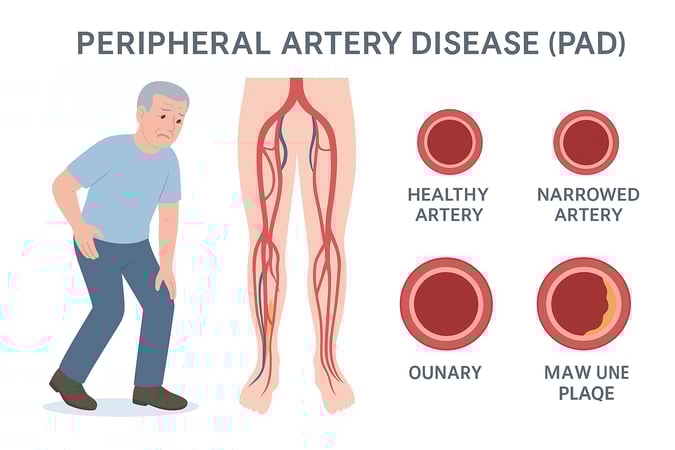
Peripheral Artery Disease (PAD) is a common but often overlooked condition in older adults, marked by restricted blood flow to the legs, progressive muscle loss, and increased cardiovascular risk. Conventional care relies heavily on drugs (statins, antiplatelets) and exercise prescriptions. Yet, these approaches rarely address the root cause: poor metabolic health and chronic inflammation.
The ketogenic diet offers a direct solution. By shifting metabolism away from sugar dependency and towards fat-burning, a well-formulated ketogenic approach reduces inflammation, improves endothelial function, and provides the nutrients required for muscle regrowth and vascular repair. Food choices—not drugs—are the foundation for restoring strength and circulation in aging adults with PAD.
Why the Ketogenic Diet Outperforms Drugs and Exercise Alone
- Drugs may thin the blood or lower cholesterol but do not regenerate arteries or rebuild muscle.
- Exercise is essential but limited without the right nutritional building blocks.
- Keto nutrition corrects the underlying drivers of PAD: insulin resistance, chronic inflammation, and oxidative stress.
When carbohydrates are restricted and fat becomes the primary fuel, the body produces ketones—an efficient energy source that protects muscle tissue, improves mitochondrial health, and enhances blood flow.
Building Muscle with Keto Nutrition
Aging muscles resist growth unless supplied with adequate protein and anabolic triggers. The ketogenic diet, when protein is prioritised, supports muscle synthesis while lowering inflammation.
- Eggs, beef, lamb, poultry – rich in leucine and creatine to stimulate muscle repair.
- Fatty fish (salmon, sardines, trout) – combine protein with omega-3s that combat inflammation.
- Whey protein isolate – fast-absorbing, ideal for seniors with reduced appetite.
- Collagen peptides – support connective tissue, improving leg stability.
Keto Foods That Boost Circulation
Circulation is the lifeline for PAD patients. Keto emphasises foods that enhance nitric oxide production and vascular health without spiking blood sugar.
- Beetroot, spinach, rocket, celery – nitrate-rich vegetables that boost blood flow.
- Garlic and onions – natural vasodilators with antiplatelet activity.
- Dark chocolate (85% cocoa) – flavonoids improve endothelial function.
- Olive oil, avocado, nuts, seeds – provide monounsaturated fats and arginine for nitric oxide synthesis.
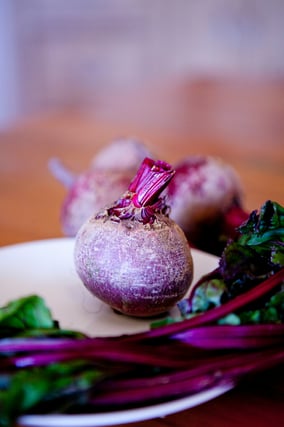
Beetroot can be very helpful for people suffering from Peripheral Artery Disease (PAD).
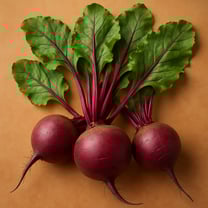
Here’s why:
- Nitrate-Rich
- Beetroot is high in natural nitrates.
- In the body, these convert into nitric oxide (NO), a molecule that helps relax and widen blood vessels, improving circulation.
- For PAD patients, where narrowed arteries restrict blood flow to the legs, this can reduce pain when walking (claudication) and improve exercise tolerance.
- Improved Walking Performance
- Clinical studies have shown that beetroot juice supplementation can increase the distance PAD patients can walk before pain sets in.
- This means better mobility and quality of life.
- Anti-Inflammatory & Antioxidant
- Beetroot contains betalains and polyphenols, which lower oxidative stress and inflammation in blood vessels.
- This helps slow the progression of atherosclerosis (plaque buildup).
- Blood Pressure Regulation
- Because of its nitric oxide effect, beetroot also helps lower blood pressure, which reduces overall strain on arteries.
✅ Best ways to take beetroot for PAD
- Fresh beetroot (roasted, boiled, or grated raw in salads).
- Beetroot juice (most studied, though high in natural sugars).
- Canned beetroot still has nitrates but check labels to avoid added salt/sugar.
- Beetroot powder (easy supplement form, often used by athletes).
👉 So yes — beetroot is a natural, evidence-based support food for PAD, improving blood flow and walking ability.
Key Keto Nutrients for Artery Repair
While prescriptions address numbers, keto foods deliver nutrients that actively repair vascular tissue:
- CoQ10 (meat, fish, organ meats) – fuels mitochondria, vital if statins are used.
- Vitamin D3 + K2 – supports arterial flexibility and muscle health.
- Magnesium (leafy greens, pumpkin seeds, almonds) – relaxes vessels and regulates pressure.
- B12 + folate – reduce homocysteine, protecting arteries from stiffness.
Foods That Block Healing and Must Be Eliminated
Keto is powerful because it eliminates the very foods that fuel PAD progression:
- Sugars and refined carbs (bread, pasta, rice, cakes) – drive insulin resistance and inflammation.
- Seed oils (canola, soybean, sunflower) – promote oxidative stress in arteries.
- Processed meats with preservatives – contribute to vascular stiffness.
- Excess alcohol – damages both arteries and muscle recovery.
A Ketogenic Meal Framework for PAD
- Breakfast: Scrambled eggs cooked in olive oil, avocado, and garlic spinach.
- Lunch: Grilled salmon with rocket, beetroot, walnuts, and olive oil.
- Dinner: Grass-fed steak with broccoli, cauliflower mash, and garlic butter.
- Snacks: Whey protein shake with cocoa, macadamia nuts, or celery with almond butter.
Conclusion
PAD robs aging adults of independence, mobility, and quality of life. Drugs and exercise may help, but without correcting nutrition, recovery remains limited. The ketogenic diet provides the blueprint: adequate protein to rebuild muscle, healthy fats and ketones to fuel aging mitochondria, and nitrate-rich vegetables to restore blood flow.At 74, I see this firsthand. PAD is not just a medical diagnosis — it’s lived reality. I’ve felt how circulation, energy, and leg strength respond far more to food choices than to any pill. That’s why I believe strongly that pharmacy must embrace the ketogenic diet as a frontline strategy, not a side note. Patients deserve more than prescriptions — they deserve the power of food as medicine.
— Malcolm McLean
✨ Malcolm’s Reflection
"At 74, I’ve experienced firsthand how food choices — especially a ketogenic approach — restore circulation, strength, and energy in ways no pill can. PAD doesn’t have to limit your independence. It starts on your plate."