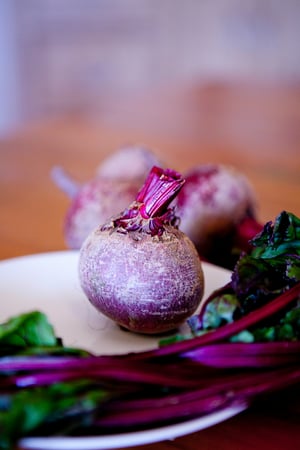
Beetroot—deep crimson, earthy, and vibrant—is one of those vegetables that doesn’t just bring colour to your plate, but an entire universe of flavour, nutrition, and tradition. Let’s dive into what makes beetroot special, how to use it, and why it deserves more attention in our kitchens and diets.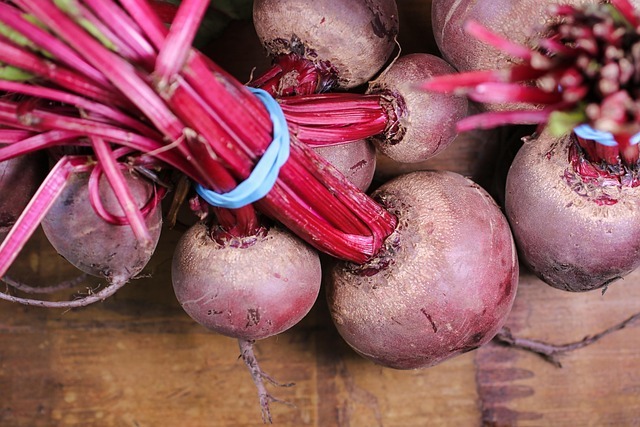
What Is Beetroot?
Beetroot is the reddish-purple root of the beet plant (Beta vulgaris). What we typically eat is the swollen root, though the leaves (known as beet greens) are also edible and highly nutritious. Known in different places as beets (in U.S./Canada), and “beetroot” elsewhere, this vegetable has been cultivated for thousands of years—originally more for its leaves and medicinal qualities, with the deep red root becoming prized later.
Nutritional Benefits
Beets are a powerhouse. Here are some of the health perks:
- Rich in vitamins and minerals: Beetroot provides vitamin C, folate (vitamin B9), potassium, manganese, iron, and magnesium.
- Fiber content: The fiber helps digestion and supports gut health.
- Nitrates and blood flow: Beets are high in dietary nitrates, which the body converts to nitric oxide. This helps widen blood vessels, improving blood flow and lowering blood pressure.
- Antioxidants: The red pigment in beets, betalains, has anti-inflammatory and antioxidant effects, which can help fight oxidative stress.
- Support for exercise: Some studies show that beet juice or beetroot can enhance physical performance due to its effects on oxygen use and stamina.
Culinary Uses & Ways to Enjoy
Beetroot’s earthy sweetness and firm texture make it versatile. Here are some ideas:
- Raw: Grate it into salads for crunch and colour. Try a beetroot slaw with apple, carrot, and a citrusy dressing.
- Roasted: Cut into cubes or wedges, roast with olive oil, herbs, and a bit of salt and pepper. Roasting intensifies its natural sweetness.
- Boiled or steamed: Good for softening and turning the texture silky — perfect for soups and purees.
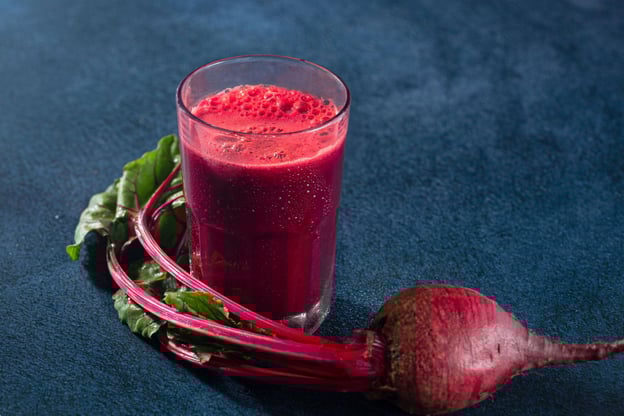
Juiced or blended: Beetroot juice or smoothies are popular—mix with apple, ginger, carrot, or orange to balance the strong flavour.
Soups: Borscht (Eastern European beet soup) is a classic. Also use in blended soups with cream or coconut milk.
Tips for Buying & Storage
- Choose vibrant colour: Look for beets that are deep red/purple, smooth skin, no cracks or soft spots.
- Size matters: Medium or smaller beets tend to be more tender; very large ones can be woody.
- Leaves count: If the greens are still attached and look fresh, that’s a bonus! Use them like spinach or chard.
- Storage: Keep unwashed beets in the fridge, loosely wrapped. They last several weeks. Greens should be stored separately and used quickly.
- Cooking colours: Beetroot’s pigment can stain everything—cutting boards, hands, utensils. Use gloves, non-porous surfaces, and a bit of lemon or vinegar in water to reduce staining.
Beetroot in Culture and History
Beetroot has a surprisingly rich past:
- In ancient Rome and Greece, it was eaten for its medicinal properties, believed to reduce fever, improve digestion, and support brain health.
- The red pigment betalain has been used historically as dye and food colouring.
- Many cultures have incorporated beetroot into traditional dishes: from Eastern European borscht to Indian beetroot curries and Brazilian beet salads.
- Strong odour: Cooking beets can produce a fairly strong earthy smell. Ventilation helps. Roasting piles on flavour and cuts down smell compared to boiling.
- Staining: As mentioned—use protective methods.
- Oxalates: Beets are high in oxalates, which for some people may contribute to kidney stones. If that’s a concern (or you have kidney issues), moderate intake and consult a healthcare provider.
Sugar content: While nutritious, beetroot does contain natural sugars. For people managing blood sugar, balance with low‐GI foods.
Fun Recipe Idea: Beetroot & Goat Cheese Tart
Ingredients (serves 4–6):
2–3 medium beetroots, roasted & sliced
1 sheet puff pastry (or shortcrust)
100–150 g goat cheese, crumbled
1 small red onion, thinly sliced
Handful of arugula (rocket) or beet greens
Olive oil, balsamic glaze, salt & pepper
Method:
Preheat oven to about 200°C (400°F).
Roll out pastry on baking sheet. Score a border around the edge.
Brush pastry lightly with olive oil.
Layer with beet slices, red onion, then goat cheese. Season with salt and pepper.
Bake until pastry is golden and crisp, about 20–25 mins.
Finish with fresh greens and a drizzle of balsamic glaze.
Final Thoughts
Beetroot is more than just a colourful root—it’s flavourful, nutrient-rich, and versatile. Whether you're using it raw, pickled, roasted, or juiced, there are endless tasty possibilities. It connects us with ancient food traditions while fitting perfectly into modern healthful diets.
Next time you’re at the market, grab some beetroot. You might just find a new favourite.
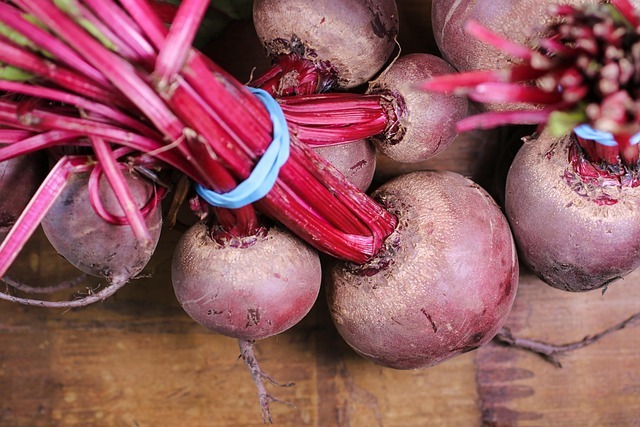
Benefits of Beetroot for Managing PAD
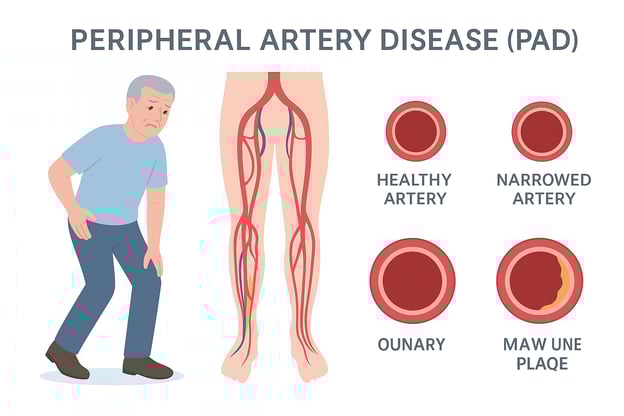
Beetroot can be very helpful for people suffering from Peripheral Artery Disease (PAD).
Here’s why:
- Nitrate-Rich
- Beetroot is high in natural nitrates.
- In the body, these convert into nitric oxide (NO), a molecule that helps relax and widen blood vessels, improving circulation.
- For PAD patients, where narrowed arteries restrict blood flow to the legs, this can reduce pain when walking (claudication) and improve exercise tolerance.
- Improved Walking Performance
- Clinical studies have shown that beetroot juice supplementation can increase the distance PAD patients can walk before pain sets in.
- This means better mobility and quality of life.
- Anti-Inflammatory & Antioxidant
- Beetroot contains betalains and polyphenols, which lower oxidative stress and inflammation in blood vessels.
- This helps slow the progression of atherosclerosis (plaque buildup).
- Blood Pressure Regulation
- Because of its nitric oxide effect, beetroot also helps lower blood pressure, which reduces overall strain on arteries.
✅ Best ways to take beetroot for PAD
- Fresh beetroot (roasted, boiled, or grated raw in salads).
- Beetroot juice (most studied, though high in natural sugars).
- Canned beetroot still has nitrates but check labels to avoid added salt/sugar.
- Beetroot powder (easy supplement form, often used by athletes).
👉 So yes — beetroot is a natural, evidence-based support food for PAD, improving blood flow and walking ability.
.png?width=624&height=427&name=Male%20Viseral%20Fat%20(1).png)