

Parkinson’s disease is often framed as a progressive neurological condition with limited lifestyle-based solutions.
Medication becomes the primary focus.
Symptoms are managed, not reversed.
Decline is expected.
But what if there’s another layer to this conversation?
What if metabolic health and nutrition could play a far greater role than we’ve been led to believe?
Emerging research — combined with real-world results — is now pointing toward a powerful possibility:
👉 A ketogenic, whole-food lifestyle may help support brain function, reduce symptoms, and improve quality of life in people living with Parkinson’s.
A Real Story That Demands Attention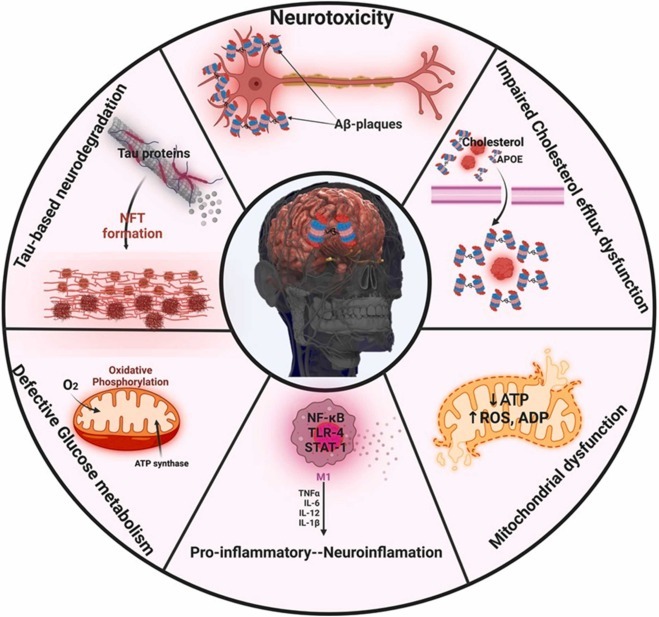
One woman’s experience tells a compelling story.
After adopting a ketogenic approach and eliminating starch and sugar, she reported:
- Improved mental clarity
- Reduced stiffness and aches
- Better sleep
- Lower blood glucose levels
- Normalised blood pressure
- 6 kg weight loss in just 8 weeks
This isn’t just anecdotal optimism.
It aligns closely with emerging scientific evidence.
The Science: What Research Is Starting to Reveal
While still in early stages, research into ketogenic nutrition and Parkinson’s disease is gaining traction.
🔬 Clinical Insights
Studies have shown:
- Improvements in motor and non-motor symptoms
- Enhanced cognitive function
- Better mood and reduced anxiety
- Improved metabolic markers
In one controlled trial comparing diets:
👉 Both groups improved — but the ketogenic group saw greater improvements in non-motor symptoms, including fatigue, pain, and cognitive challenges.
Why Ketones May Be the Missing Link
At the centre of this conversation is a powerful biological shift:
👉 The transition from glucose-based metabolism to ketone-based energy
Ketones — particularly beta-hydroxybutyrate — may:
- Provide a more efficient fuel for brain cells
- Support mitochondrial function
- Reduce oxidative stress
- Lower inflammation
These factors are all deeply relevant in neurodegenerative conditions like Parkinson’s.
Beyond Symptoms: Addressing Root Causes
Traditional approaches focus on:
- Dopamine replacement
- Symptom suppression
But metabolic strategies aim to influence:
- Cellular energy production
- Brain resilience
- Systemic inflammation
This represents a shift from the following:
👉 Disease management → Biological support
What Improvements Are Being Seen?
Across studies and real-world cases, reported benefits include:
🧠 Neurological & Cognitive
- Improved clarity and memory
- Reduced brain fog
- Better emotional stability
💪 Physical Symptoms
- Reduced stiffness and rigidity
- Improved mobility
- Less fatigue
❤️ Metabolic Health
- Lower blood glucose
- Improved insulin sensitivity
- Reduced inflammation
😴 Lifestyle & Wellbeing
- Better sleep
- Increased energy
- Enhanced overall vitality
The UltraLite Perspective: Structure Changes Everything
Here’s where most people go wrong:
They try keto…
- Without structure
- Without guidance
- Without sustainability
And they fail.
The UltraLite ketogenic lifestyle approach addresses this by focusing on:
- Whole food nutrition (not processed substitutes)
- Moderate protein for muscle preservation
- Low starch and sugar intake
- Structured eating patterns
- Ongoing coaching and accountability
👉 This is not just a diet.
👉 It’s a system for metabolic control and long-term adherence.
Important Considerations (Balanced View)
Let’s be clear:
This is not a cure.
It's not a universal solution.
⚠️ Current Limitations:
- Most studies are small-scale
- Long-term data is still emerging
- Individual responses vary
⚠️ Potential Challenges:
- Dietary adherence
- Initial adaptation phase
- Need for medical supervision
That said…
👉 The risk profile is low
👉 The upside potential is significant
A Smarter Way Forward
If this approach is considered, it must be done properly.
✔ Key Principles:
1. Medical Supervision
Work alongside healthcare professionals to monitor progress and medications.
2. Structured Nutrition
Focus on:
- Whole foods
- Clean protein
- Healthy fats
- Low carbohydrate intake
3. Movement Integration
Combine with:
- Physiotherapy
- Strength training
- Mobility work
4. Track Progress
Measure:
- Symptoms
- Energy levels
- Blood markers
- Quality of life
5. Adapt and Refine
Adjust based on:
- Individual response
- Sustainability
- Long-term goals
The Bigger Picture: A Shift in Thinking
For decades, Parkinson’s has been approached primarily through medication.
But this emerging model suggests:
👉 The body — and brain — may respond to metabolic intervention
👉 Nutrition may be a therapeutic lever, not just a lifestyle choice
👉 Patients can regain a degree of control and agency
Final Thought: From Decline to Possibility
Parkinson’s may be progressive…
But how someone experiences this progression is not fixed.
By addressing:
- Nutrition
- Metabolism
- Movement
- Structure
We provide the opportunity for:
👉 Better quality of life
👉 Greater independence
👉 Renewed hope