The Reality Most People Don’t See
The weight-loss conversation has never been louder.
Across Australia and globally, a powerful narrative dominates the health landscape:
👉 Lose weight. Fast.
From pharmaceutical interventions to meal replacements and rapid-start programs, the emphasis is clear—reduce body weight as quickly and efficiently as possible.
And in many cases, it works.
People lose weight.
But beneath this apparent success lies a critical and often overlooked question:
What kind of weight is actually being lost?
Because not all weight loss is equal.
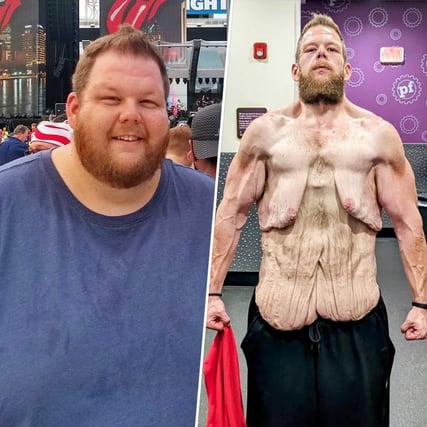
And increasingly, evidence and clinical observation suggest that many individuals are losing not just fat—but something far more valuable:
👉 Lean muscle mass
⚠️ The Hidden Cost of Modern Weight Loss
Modern weight-loss strategies—particularly those driven by appetite suppression—tend to create a consistent physiological pattern:
- Reduced overall caloric intake
- Insufficient protein consumption
- Limited or absent resistance training
This combination sets the stage for a predictable outcome:
👉 Loss of lean muscle tissue
Research has indicated that during rapid weight loss, between 40% and 60% of total weight lost may come from lean mass, especially when dietary protein is inadequate and resistance exercise is absent.
This is not a minor issue.
It is a fundamental flaw in how weight loss is currently being approached.
Because muscle is not expendable.
It is essential.
💪 Muscle: The Body’s Metabolic Engine
Muscle is often misunderstood as simply a structural or aesthetic component of the body.
In reality, it functions as one of the body’s most important metabolic organs.
Skeletal muscle plays a central role in:
- Glucose disposal and blood sugar regulation
- Insulin sensitivity and metabolic flexibility
- Fat oxidation and energy expenditure
- Hormonal balance and inflammation control
- Physical strength, mobility, and independence
Loss of muscle mass has far-reaching consequences.
It is strongly associated with:
❌ Reduced resting metabolic rate
❌ Increased risk of weight regain
❌ Greater likelihood of insulin resistance and type 2 diabetes
❌ Increased frailty, particularly with aging
❌ Decline in overall quality of life
In clinical and metabolic terms:
👉 Muscle is metabolic currency
And when it is lost, the body becomes less capable of maintaining both weight loss and long-term health.
🔁 The Cycle No One Talks About
A concerning pattern is now emerging across the weight-loss landscape.
It is a cycle that many individuals experience—often repeatedly:
- Rapid weight loss
- Significant loss of lean muscle
- Reduced metabolic rate
- Gradual or rapid weight regain
- Re-engagement in another weight-loss attempt
This cycle explains a common and deeply frustrating experience:
👉 “I lost the weight… but I couldn’t keep it off.”
Importantly, this is not a failure of motivation or discipline.
It is a physiological consequence of losing the very tissue that supports metabolic stability.
When muscle mass declines, energy expenditure decreases.
The body becomes more efficient at storing energy—and less capable of sustaining fat loss.
Without intervention, this cycle repeats.
🧠 The Role of Whole-Food Nutrition in Protecting Muscle
If muscle loss is the problem, then nutritional strategy becomes the solution.
One of the most critical—and often neglected—factors in preserving lean mass during weight loss is adequate intake of high-quality protein from whole foods.
Whole-food nutrition provides:
- Complete amino acid profiles necessary for muscle protein synthesis
- Essential micronutrients that support metabolic processes
- Greater satiety and dietary adherence
- Reduced reliance on ultra-processed, low-nutrient alternatives
In contrast, highly processed or calorie-restricted approaches often fail to deliver sufficient protein and micronutrients.
This creates a catabolic environment in which the body breaks down muscle tissue for energy.
A whole-food approach—rich in:
- Lean meats, fish, and eggs
- Fresh vegetables and fibre
- Healthy fats
- Minimally processed carbohydrates
…supports the preservation of muscle while facilitating fat loss.
But nutrition alone is not enough.
🏋️ Resistance Training: The Non-Negotiable Component
Muscle preservation—and ideally muscle development—requires a stimulus.
That stimulus is resistance training.
Even modest, structured resistance exercise:
- Signals the body to retain lean tissue
- Enhances insulin sensitivity
- Improves functional strength
- Supports long-term metabolic health
Without resistance training, the body has little reason to maintain muscle during periods of caloric deficit.
Combined with adequate protein intake, resistance training forms the cornerstone of a sustainable weight-loss strategy.
👨⚕️ The Critical Role of Trained Practitioners
This is where one of the most important—and often overlooked—elements comes into play:
👉 Guidance
Because while the principles of preserving muscle may be clear, implementation is not always simple.
Many individuals:
- Lack clarity on nutritional requirements
- Are unsure how to structure resistance training safely
- Struggle with adherence and consistency
- Have underlying metabolic or health conditions
This is why well-trained practitioners are essential.
Structured, practitioner-led programs provide:
- Personalised nutritional strategies
- Education on whole-food eating
- Appropriate exercise guidance
- Ongoing accountability and support
- Adaptation based on progress and response
In an era increasingly dominated by self-directed or medication-driven weight loss, the role of the practitioner becomes even more valuable.
Not just as a guide—but as a protector of long-term health outcomes.
🚀 A Shift in the Weight-Loss Paradigm
The future of weight management must move beyond the scale.
Because weight alone is an incomplete—and often misleading—metric.
The real objective should be:
✔ Fat loss
✔ Muscle preservation (or gain)
✔ Metabolic stability
✔ Long-term lifestyle capability
This represents a fundamental shift:
From short-term outcomes
To long-term health strategy
From weight loss alone
To body composition and function
From quick fixes
To structured, sustainable systems
⚠️ The Opportunity—and the Responsibility
The current landscape presents both a challenge and an opportunity.
The challenge:
A market saturated with:
- Rapid-start solutions
- Medication-centric approaches
- Short-term thinking
The opportunity:
To provide something far more valuable:
👉 A structured, evidence-informed system that protects muscle while delivering sustainable fat loss
This is where practitioners, clinics, and health professionals can truly differentiate themselves.
Not by competing on speed.
But by delivering outcomes that last.
🔥 Final Thought
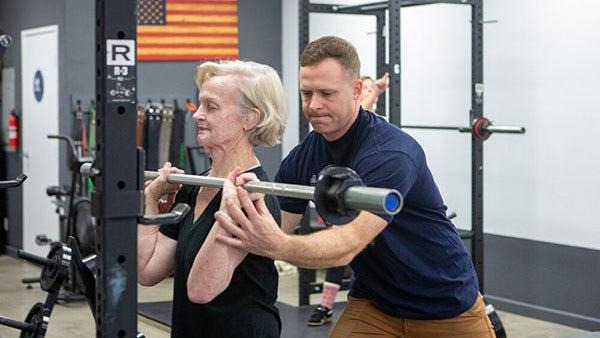
You’re never too old to build muscle.
But more importantly:
👉 You’re never too early to protect it.
Because in the end:
Weight loss changes how you look.
Muscle determines how you live.
And the future of health will not be defined by how quickly we can lose weight…
But by how well we preserve the very systems that sustain life, strength, and independence.