Red Meat, Brain Health & the Gut–Brain Connection: What the New Research Really Shows
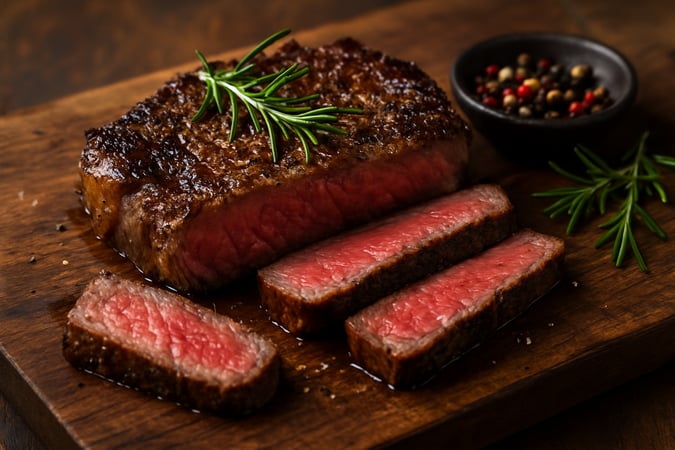
For decades, red meat has been at the center of heated debate—praised for its dense nutrition yet criticized for its supposed role in chronic disease. But nutrition science is evolving. Today, researchers are no longer isolating single foods as “good” or “bad.” Instead, they’re looking at diet quality, nutrient synergy, and the powerful influence of the gut–brain connection.
And when you look through that lens, a very different picture of red meat emerges.
As someone who has spent more than 26 years helping thousands transform their health through the UltraLite program, I have always believed that context matters—what you eat, what you pair it with, your metabolic health, your stress levels, and the quality of your food all shape your outcomes.
New research now confirms this truth:
Red meat can be incredibly supportive for brain function, gut health, and metabolic resilience—when it’s eaten within a nutrient-rich, whole-food diet.
But the story changes dramatically when meat is processed or consumed alongside inflammatory, high-LA seed oils, sugars, and refined carbohydrates.
Let’s break down what the science shows and how to use red meat wisely as part of a healthy, sustainable lifestyle.
Red Meat in a High-Quality Diet Boosts Brain Nutrients & Gut Diversity
A major study published in Scientific Reports analyzed over 3,643 adults through the American Gut Project. The goal: uncover whether red meat influences brain-supportive nutrients, gut microbiome diversity, and mental health.
The findings were surprisingly clear.
- People with the healthiest diets who ate red meat had the best nutrient profiles.
Participants eating a nutrient-dense diet with red meat showed significantly higher levels of:
- Vitamin B12
- Zinc
- Selenium
- Choline
- Calcium
These nutrients power mitochondrial energy, neurotransmitter balance, DNA repair, and oxygen delivery—making them essential for mental clarity, stable mood, and cognitive performance.
Red meat eaters in this group had far better B12 adequacy, with more than 93% meeting daily requirements compared to only 65–71% of non-meat eaters.
- Diet quality mattered more than avoiding meat.
People with high-quality diets had lower rates of:
- Depression
- PTSD
- Bipolar disorder
…regardless of whether they ate red meat.
In other words:
It’s the whole diet that determines mental health outcomes, not whether you include or exclude meat.
- Red meat was linked to better gut microbial diversity.
High-quality meat eaters had the richest, most balanced microbiomes, while people eating poor-quality, low-nutrient diets without meat had the lowest microbial diversity.
Greater gut diversity is strongly associated with:
✔ Better digestion
✔ Stronger immunity
✔ Lower inflammation
✔ Higher emotional resilience
The Problem Isn’t Red Meat—It’s Processed Meat
While whole, unprocessed red meat can support health, the research is very clear: processed meats are a different story.
A large study in Neurology following more than 133,000 adults found that:
- Eating as little as half a slice of bacon per day was linked to a 13% higher dementia risk.
- Each serving of processed meat made the brain age 1.6 years faster.
- Processed meat increases the risk of type 2 diabetes and colorectal cancer.
Why?
Processed meats contain:
- Nitrites → convert to carcinogenic nitrosamines
- AGEs → damage cells and accelerate ageing
- Preservatives & additives → disrupt the gut and immune system
This is not the same as grass-fed steak, lamb shank, or slow-cooked oxtail. The body responds completely differently.
How to Eat Red Meat for Brain, Gut & Metabolic Health
At UltraLite, we’ve always taught that quality, preparation, and context matter more than a single food choice. Here’s how to reap red meat’s benefits without the drawbacks.
- Choose grass-fed and finished whenever possible.
Grass-fed meat contains:
- More omega-3s
- Higher antioxidants
- Better CLA levels
- Lower inflammatory omega-6 fats
These support both gut microbiome balance and brain health.
- Balance muscle meat with collagen-rich foods.
Most people eat only muscle meat, which lacks glycine, proline, and hydroxyproline.
Include:
- Bone broth
- Oxtail
- Shank
- Gelatin
- Slow-cooked cuts with connective tissue
This supports:
✔ Joint & bone health
✔ Stronger skin & connective tissue
✔ Lower inflammation
✔ Better sleep (thanks to glycine)
- Cook gently and pair with antioxidants.
High-heat methods like frying or charring produce harmful compounds.
Instead:
- Slow cook
- Stew
- Braise
- Lightly pan-sear
Pair with antioxidant-rich vegetables and herbs like
- Broccoli
- Bell peppers
- Rosemary
- Garlic
- Thyme
This neutralises oxidative stress produced during cooking.
- Avoid processed and fake meats.
UltraLite has always discouraged:
- Bacon
- Sausage
- Deli slices
- Seed-oil-fried meats
- Ultra-processed “plant meats”
These disrupt metabolic health and increase oxidative stress.
- Remember: Red meat supplies unique, hard-to-get nutrients.
Red meat provides compounds rarely found in meaningful amounts elsewhere:
- Taurine
- Carnitine
- Creatine
- CoQ10
These support:
✔ Mitochondrial energy
✔ Cardiovascular health
✔ Cognitive function
✔ Metabolic flexibility
When combined with a low-LA, whole-food UltraLite-style diet, these nutrients enhance energy, clarity, and resilience.
The Bottom Line
Red meat is not the enemy—nutrient-poor diets are.
Within a whole-food, low-LA dietary pattern like UltraLite:
- Red meat supports brain function
- Enhances gut diversity
- Boosts nutrient adequacy
- Helps maintain metabolic strength
But when meat is processed, paired with sugar and seed oils, or cooked at high heat, the benefits are overshadowed by inflammation and oxidative stress.
As with everything we teach in UltraLite, the goal is balance, quality, and biological respect for how the body functions.
Eat whole foods. Choose grass-fed. Cook gently. Balance with collagen. Nourish your gut. Support your brain.
Your body will thank you for it.