
GLP-1 medications have become a widely discussed option in modern weight-management conversations. Many people notice early changes such as reduced appetite, gradual weight reduction, improved blood-sugar control, and changes in inflammatory markers.
For individuals who have struggled with persistent hunger, these early shifts can feel encouraging and motivating.
As use continues over longer periods, however, healthcare professionals and researchers are increasingly examining how appetite-focused strategies interact with broader metabolic health. Understanding this helps place GLP-1 medications within a more complete, long-term framework.
What GLP-1 Medications Are Designed to Do
GLP-1 medications primarily support weight management by:
- reducing appetite
- slowing the rate at which food leaves the stomach
- increasing feelings of fullness after meals
- supporting blood-sugar regulation
In the short term, these effects can help reduce overall calorie intake and support metabolic markers. For many individuals, this can provide meaningful relief from constant hunger and overeating patterns.
However, appetite regulation is only one part of a much larger metabolic system.
The Often-Overlooked Role of Metabolism and Muscle
The body adapts continuously to changes in energy intake.
When calorie intake decreases — whether through dietary change or medical intervention — the body evaluates how to maintain balance and efficiency. If reduced intake persists without signals of strength, nourishment, and recovery, adaptive responses may occur.
These adaptations can include:
- reduced resting metabolic rate
- increased energy conservation
- changes in lean body mass
This is a normal biological response and not a sign of failure.
Understanding Lean Mass Changes During Weight Loss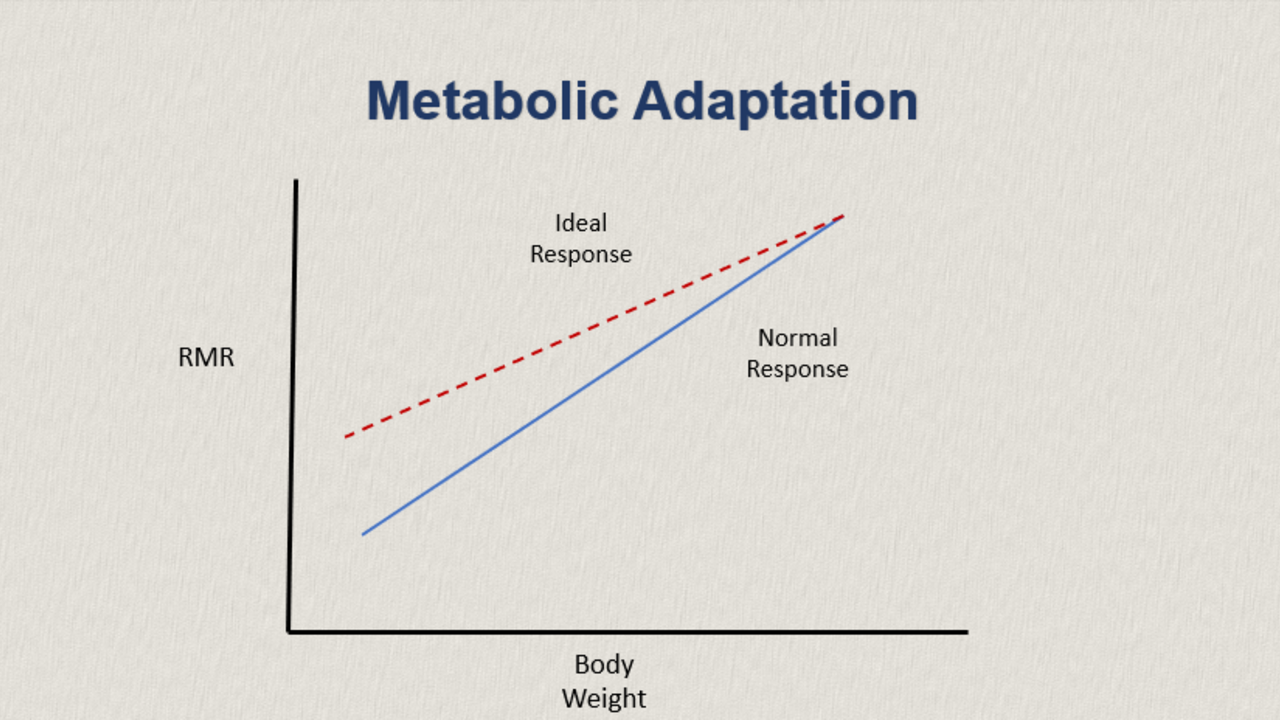
During periods of weight loss, reductions can occur in both fat mass and lean tissue. Research indicates that without adequate nutritional and activity support, a portion of weight loss may come from lean mass.
Lean tissue plays a vital role in overall health by helping to:
- support glucose regulation
- maintain hormonal balance
- protect joints and skeletal health
- contribute to metabolic efficiency
Preserving muscle during weight loss is associated with improved long-term outcomes and functional health.
Why Early Progress Can Change Over Time
Many people notice that early progress feels more noticeable at the beginning of any weight-management intervention. Over time, the body naturally adjusts.
Some individuals observe:
- changes in energy levels
- slower weight-loss progression
- altered hunger signals
These responses reflect metabolic adaptation — the body’s way of maintaining equilibrium in changing conditions.
Energy, Hormones, and Recovery
Because GLP-1 medications influence digestion speed, some individuals report digestive changes such as nausea, bloating, or altered bowel patterns.
Digestive health plays an important role in nutrient absorption, immune function, and metabolic regulation. Supporting gut health alongside any weight-management strategy can improve comfort and long-term success.
Supporting Long-Term Health Outcomes
Weight-management tools tend to be most effective when combined with supportive lifestyle foundations, including:
- resistance and strength-based activity
- adequate protein intake
- metabolic flexibility through nutrition
- stress management
- education around sustainable habits
This integrated approach helps the body maintain results while supporting overall wellbeing.
Final Thought
Weight-management strategies work best when they align with how the body naturally adapts and responds.
The most important question isn’t only how weight changes —
it’s how strength, metabolism, and overall health are supported along the way.
.png?width=807&height=361&name=01%20Colour%20Logo%20(2).png)
A Healthier Way Forward with UltraLite
For those who want to lose weight without sacrificing muscle, energy, or long-term health, there is a more sustainable path.
UltraLite was designed to support weight loss by working with the body, not against it. Rather than relying solely on appetite suppression, UltraLite focuses on rebuilding the foundations that make weight loss last — including metabolic flexibility, muscle preservation, hormonal balance, and whole-food nutrition.
Whether you’re just starting your weight-loss journey or looking for a safer way to maintain results, UltraLite provides a structured, medically informed framework that prioritises strength, resilience, and independence — not lifelong dependency.
For Individuals
If your goal is to lose weight in a healthier, more sustainable way — while maintaining strength, energy, and confidence — UltraLite offers a guided pathway that helps you achieve results you can actually keep.
For Health Professionals & Practitioners
If you’re a pharmacist, clinician, coach, or health professional who wants to help others lose weight without the long-term risks of appetite-only approaches, UltraLite also offers a practitioner pathway.
By becoming an UltraLite practitioner, you can:
- support patients with evidence-informed, lifestyle-based weight loss
- preserve muscle and metabolic health
- provide an alternative or complementary framework to medication-only models
- empower people toward long-term independence and wellbeing


.png?width=624&height=427&name=Dangers%20of%20Ozempic%20%26%20Mounjaro%20(1).png)