We are witnessing one of the most significant shifts in modern healthcare.
On one side, we have increasing medicalisation:
- Earlier screening
- Earlier diagnosis
- Earlier prescriptions
On the other, a growing wave of questioning voices asking:
👉 Are we treating risk… or creating lifelong patients?
The recent push by the American Heart Association and American College of Cardiology to expand cholesterol intervention into people in their 30s has brought this tension into sharp focus.
At the same time, we are seeing:
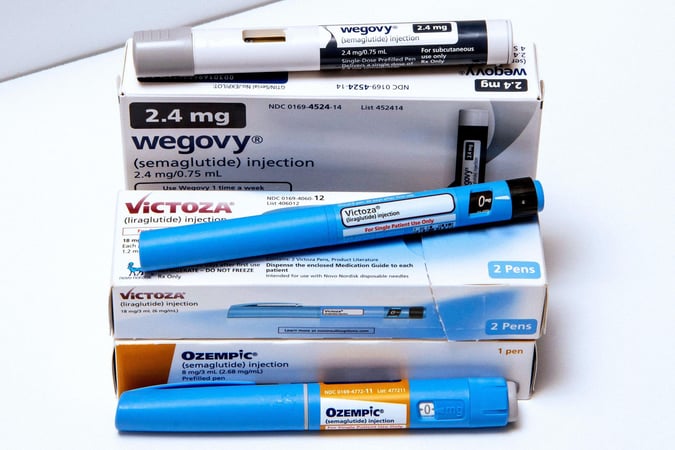
- Explosive growth in GLP-1 drugs like Ozempic and Wegovy
- Food companies adapting to drug users instead of improving food quality
- A population increasingly dependent on intervention
This raises a critical question:
👉 Are we moving toward better health… or deeper dependency?
Cholesterol: Villain or Vital Molecule?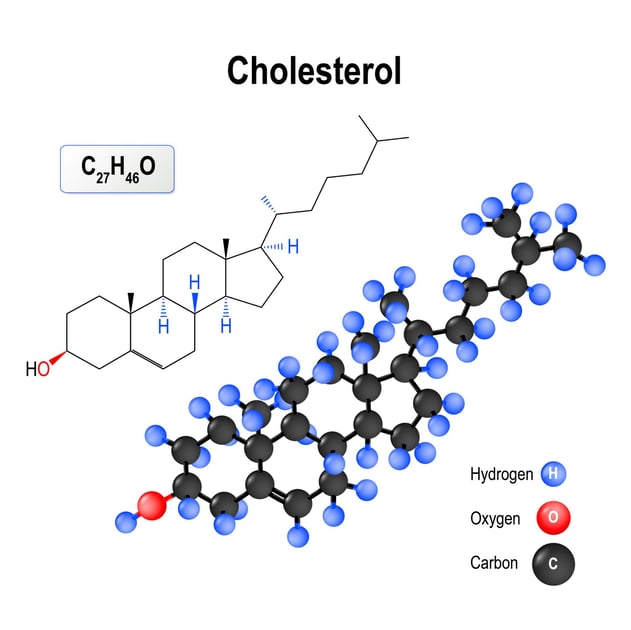
For decades, cholesterol has been framed as the enemy.
But biologically, this narrative is incomplete.
Cholesterol is essential for:
- Cell membrane integrity
- Hormone production (testosterone, oestrogen, cortisol)
- Brain function and myelin sheath formation
- Vitamin D synthesis
- Fat digestion via bile acids
As metabolic scientist Benjamin Bikman describes:
👉 “Cholesterol is a molecule of life.”
So why the fear around LDL?
LDL (low-density lipoprotein) is often labelled “bad cholesterol.”
But the reality is more nuanced.
The real issue is not LDL alone—it’s the environment it operates in:
- Chronic inflammation
- High blood sugar
- Insulin resistance
These conditions lead to oxidised LDL, which contributes to arterial damage.
👉 In other words: the problem is metabolic dysfunction—not cholesterol in isolation.
The Longevity Paradox
Here’s where the conversation becomes even more interesting.
Studies of long-lived populations show something unexpected:
👉 Many of the world’s longest-living individuals have higher LDL levels.
Research highlights:
- Sardinian “Blue Zone” populations with higher LDL living longer
- Swedish longitudinal studies showing very low cholesterol not linked to longevity
This is often referred to as the “cholesterol paradox.”
What does this tell us?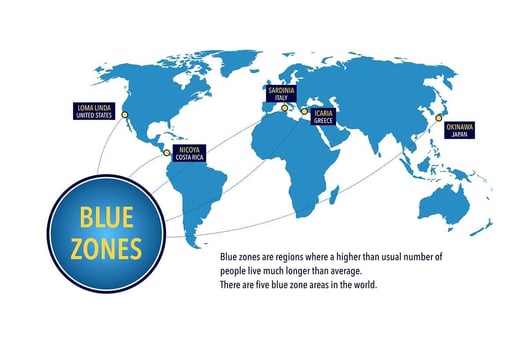
It challenges a simplistic narrative.
Longevity appears to be more strongly linked to:
- Insulin sensitivity
- Low inflammation
- Muscle mass
- Lifestyle patterns
👉 Not just a single cholesterol number.
The GLP-1 Explosion: A New Dependency Cycle?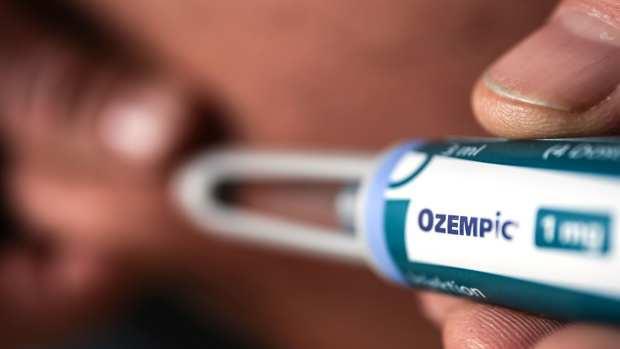
At the same time cholesterol guidelines are expanding, another phenomenon is reshaping healthcare:
👉 The rise of GLP-1 weight loss drugs.
Medications like:
- Ozempic
- Mounjaro
- Zepbound
have transformed weight management.
They work by:
- Suppressing appetite
- Slowing gastric emptying
- Reducing calorie intake
But here’s the hidden reality
- Up to 50–65% discontinue within a year
- Weight regain is common
- Lean muscle loss is significant
👉 And most importantly:
They do not teach people how to live differently.
The Food Industry Responds… Not How You’d Hope6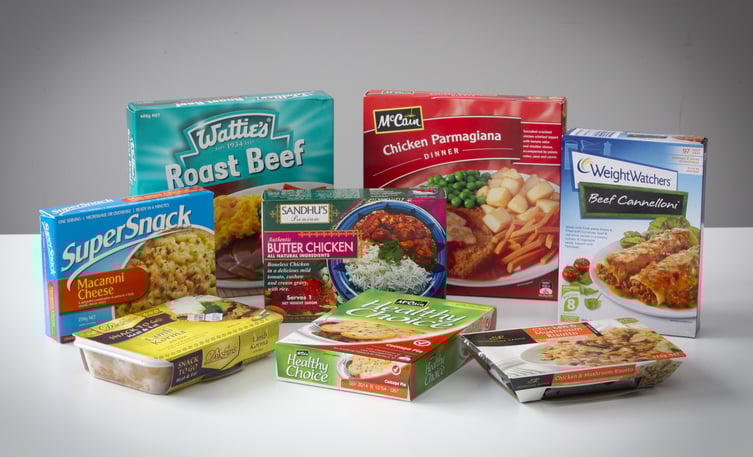
Instead of improving food quality…
Major corporations are now introducing:
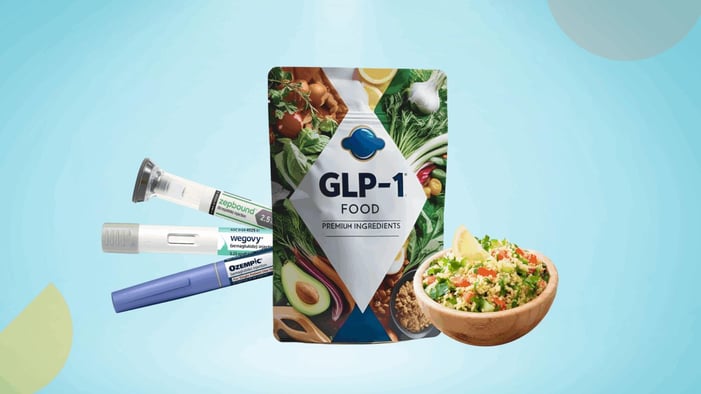
👉 “GLP-1 Friendly” food labels
Companies like Nestlé and Conagra Brands are targeting drug users.
Here’s the problem:
- No regulated definition
- No medical standard
- Often still ultra-processed
👉 It’s marketing—not medicine.
The uncomfortable truth
If food had been:
- Nutrient-dense
- Satiating
- Whole and unprocessed
We may never have needed:
- Appetite-suppressing drugs
- “Friendly” food labels
What Actually Matters: Metabolic Health
The real drivers of chronic disease are becoming clearer:
- Insulin resistance
- Elevated triglycerides
- Chronic inflammation
- Loss of muscle mass
These are rarely the primary focus of mainstream interventions.
👉 Because they are harder to medicate.
But they are highly responsive to:
- Nutrition
- Movement
- Lifestyle structure
Nature: The Original Medicine
Long before prescriptions, humans relied on something far more powerful:
👉 Nature
Evidence-backed benefits include:
- Sunlight → circadian rhythm + hormone balance
- Walking → improved brain function and stress reduction
- Cold exposure → nervous system regulation
- Soil contact → microbiome and serotonin support
👉 These are not “alternative therapies”
They are biological necessities.
The UltraLite Perspective: The Missing Piece
This is where your positioning becomes incredibly powerful, Partner.
Because what this entire discussion reveals is:
👉 The system is excellent at intervention
👉 But weak at transformation
What people actually need
- Education
- Structure
- Nutritional guidance
- Behavioural change
- Long-term support
This is the gap UltraLite fills
Not as a competitor to medicine…
But as the solution that comes next:
👉 The Off-Ramp
- After GLP-1 use
- Before long-term dependency
- Alongside metabolic repair
Conclusion: A Turning Point in Healthcare
We are at a crossroads.
One path leads to:
- Earlier diagnosis
- More prescriptions
- Lifelong dependency
The other leads to:
- Education
- Empowerment
- Sustainable health
The real question is simple
👉 Are we helping people live better… or just manage risk forever?
Final Thought
Cholesterol is not the enemy.
Food labels are not the solution.
Drugs are not the full answer.
👉 The future of health belongs to those who can restore metabolic function, rebuild lifestyle, and empower people to take control.

.png?width=624&height=427&name=Dangers%20of%20Ozempic%20%26%20Mounjaro%20(1).png)