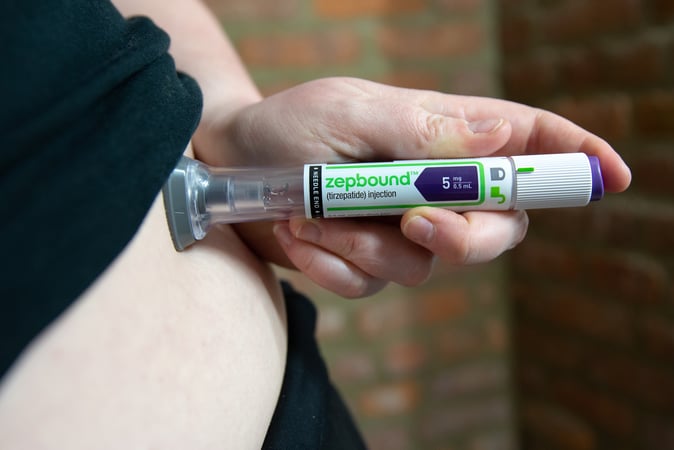
Glucagon-like peptide-1 (GLP-1) receptor agonists — including Ozempic (semaglutide), Wegovy (semaglutide), Mounjaro (tirzepatide) and Zepbound (tirzepatide) — have revolutionised diabetes and obesity treatment.
However, as their use has surged, so have self-reported mood changes — including anxiety, depression, emotional blunting and even suicidal thoughts within weeks of starting the drugs, as discussed in the psychiatrist’s video above.
Why Some People Are Reporting Psychiatric Symptoms
In the video, a board-certified psychiatrist and former FDA medical officer explains that:
- Many people report worsening anxiety, emotional blunting and depressive symptoms soon after initiating GLP-1 therapy.
- These are often not mild or transient, and in some cases, users notice improvement only after discontinuation.
- Psychiatric symptoms may be missed or masked in large clinical trials because:
- Mood effects are not primary endpoints.
- Trials exclude individuals with psychiatric histories.
- Early weight loss can temporarily boost mood, hiding deeper effects.
This does not conclusively prove causation — but it emphasises that clinical trials may not capture every meaningful real-world experience.
What Clinical & Regulatory Reports Say
📌 Official Regulatory Position
Major regulators, including the U.S. FDA, have reviewed available evidence and concluded that:
- There is no clear evidence that GLP-1 receptor agonists cause suicidal thoughts or behaviour.
At the same time, agencies like Australia’s Therapeutic Goods Administration (TGA) and others have updated product labels and warnings to highlight reports of mood changes and suicidal ideation, stressing vigilance and reporting of symptoms.
📊 Observational Data & Emerging Signals
Some research suggests statistically elevated risks of psychiatric outcomes with GLP-1 use in large patient databases — including increased risks of depression, anxiety and suicidal behaviour — though causal links are not clearly established.
Other analyses find no increased risk in controlled settings.
Possible Mechanisms Being Investigated.png?width=471&height=707&name=6ddb4db0-7333-4fe8-b415-905e3f917d30%20(1).png)
Experts believe several factors could contribute:
🧠 Direct Neurochemical Effects
GLP-1 receptors exist in brain areas regulating reward, mood and appetite. Altering their signalling may affect:
- Dopamine pathways
- Emotional processing
- Reward sensitivity
This may explain emotional “flatness” or decreased motivation described by some users.
🧠 Indirect Psychological Effects
Changes in eating behaviour, rapid weight loss and metabolic shifts may:
- Alter neurotransmitter balance
- Influence sleep and energy levels
- Impact overall psychological wellbeing
These factors may confound psychiatric symptoms — but can still be real and distressing for users.
🍽️ Nutrition & Metabolism
Very low food intake — often seen when appetite is suppressed — is known to affect mood and can:
- Reduce neurotransmitter precursors
- Disrupt blood sugar regulation
- Lead to fatigue and low mood
Even without direct drug effects, these changes can contribute to depressive symptoms.
What Patients Are Reporting (Anecdotal Experience)
Many people online and in clinical settings describe:
✔ Sudden onset of anxiety or depressive symptoms
✔ Emotional blunting or reduced joy
✔ Loss of motivation or personality changes
✔ Improvement upon stopping the medication
Case reports and anecdotal evidence do not prove causation, but they can highlight signals that warrant further study — especially when patterns are consistent across multiple reports.
What the Science Community Says
There is no definitive consensus yet:
- Some studies show no association between GLP-1 drugs and major psychiatric effects in large clinical trials.
- Other observational data suggest elevated risks of depression, anxiety and even suicidal behaviour in real-world use.
This means the medical community is still gathering evidence and cautious monitoring remains prudent.
Clinical & Safety Takeaways
If you are taking a GLP-1 medication and notice:
🟡 Persistent sadness or mood changes
🟡 Increased anxiety
🟡 Emotional dulling or personality changes
🟡 Suicidal thoughts
Speak with your healthcare provider immediately.
Do not stop medication abruptly without medical guidance.
Mood changes may be related to:
- The medication
- Rapid weight loss
- Nutritional changes
- Underlying emotional stress
All of these warrant professional evaluation.
Final Thoughts
Key points to consider:
- Official regulators currently do not confirm a direct causal link between GLP-1 drugs and suicide or major mood disorders.
- There are real, consistent reports from patients experiencing mood effects shortly after starting therapy.
- Psychiatric symptoms deserve attention and should never be dismissed.
Meet Malcolm Today!
.jpg?width=329&height=439&name=Malcolm%20New%20Headshot_%20(1).jpg)
Founder and General Manager of UltraLite Progam
Join UltraLite Today!
For 26 years, UltraLite’s healthy ketogenic program has changed lives. Join the success stories—or step up and help others succeed as an UltraLite practitioner.
.jpg?width=424&height=282&name=Untitled%20design%20(1).jpg)