
Ozempic Lawsuits: What You Need to Know About the Ongoing Legal Battles
Introduction: From Breakthrough Treatment to Legal Challenges
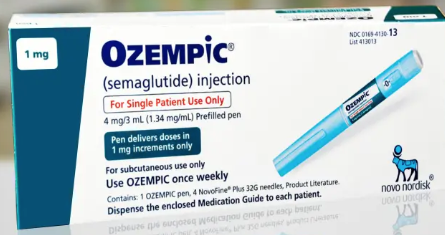
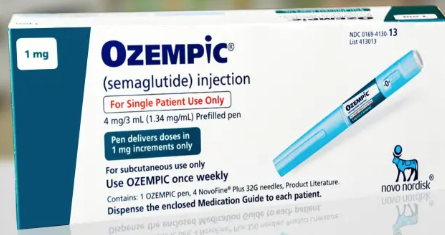
Ozempic (semaglutide), approved in 2017 for the treatment of type 2 diabetes, quickly gained widespread attention for its potential to support weight management. Its ability to reduce appetite and aid weight reduction led to a surge in off-label use, especially for aesthetic purposes.
However, as its popularity grew — partly fueled by celebrity endorsements — Ozempic is now at the center of significant legal disputes, potentially becoming one of the largest pharmaceutical cases in recent years.
The $2 Billion Lawsuit: Understanding the Claims
Scope of litigation: More than 1,800 lawsuits have been filed in U.S. federal courts under Multidistrict Litigation (MDL No. 3094). These lawsuits allege that Ozempic may be linked to severe side effects, including delayed stomach emptying (gastroparesis), persistent vomiting, vision-related issues, gallbladder problems, intestinal blockages, pancreatitis, and kidney complications.
Estimated liability: Some analysts estimate that potential damages could reach up to $2 billion, though this figure remains unconfirmed and may change as litigation progresses.
Litigation status: Cases have been consolidated in the Eastern District of Pennsylvania under Judge Karen Spencer Marston, with initial “bellwether” trials — test cases to set legal precedents — expected in early 2026.
Fact-check caution: Independent fact-checkers note that the $2 billion estimate comes from unnamed analysts, and the actual outcomes will depend on trial results.
Reported Side Effects: Allegations in the Lawsuits
1. Gastroparesis (Delayed Stomach Emptying)
Several plaintiffs report experiencing significant digestive issues such as nausea, bloating, vomiting, and abdominal pain. Some cases required hospitalization or surgical intervention. The lawsuits claim that Ozempic may affect gastric emptying and allege insufficient warnings for users.
2. Vision-Related Concerns
Some reports suggest that Ozempic and other similar medications may be linked to rare vision issues, including non-arteritic anterior ischemic optic neuropathy (NAION), sometimes referred to as “eye stroke.”
In Australia, the Therapeutic Goods Administration (TGA) recorded more than 40 reports of eye-related conditions, including two instances of sudden vision loss, between December 2020 and May 2025.
3. Other Alleged Complications
Lawsuits also reference additional potential side effects, including:
- Intestinal blockages (ileus)
- Gallbladder inflammation or gallstones
- PancreatitisKidney-related issues
- Severe, persistent vomiting leading to dehydration
Medical and Regulatory Context
FDA warnings and labeling updates: The U.S. Food and Drug Administration (FDA) has acknowledged possible gastrointestinal risks and has updated drug labeling accordingly. However, plaintiffs argue that current warnings may not fully reflect the severity of certain side effects.
Research insights:
A 2023 study published in JAMA Network Open found that around 37% of GLP-1 drug users — including Ozempic users — discontinued treatment within a year, often citing gastrointestinal discomfort.
A 2025 Canadian observational study indicated a possible link between GLP-1 use and certain forms of vision impairment, though more research is needed.
Clinical balance: Despite ongoing concerns, GLP-1 medications, including Ozempic, remain an important treatment option for many people with diabetes and obesity. Healthcare experts stress the need for careful patient monitoring, informed prescribing, and proper medical supervision, particularly when used for non-diabetes-related purposes.
The Human Side: Personal Stories
In Australia, a 66-year-old woman reportedly passed away from organ failure after experiencing prolonged vomiting, highlighting the potential seriousness of complications and the importance of ongoing medical monitoring.
Vision loss cases have also been reported, including individuals who experienced sudden, significant vision impairment after taking Ozempic or related medications. These reports have fueled broader discussions around informed consent and drug safety.
Conclusion
Staying Informed and Vigilant
Ozempic’s journey from a diabetes treatment to a widely discussed weight-loss option has been swift and complex. While it has helped many people manage blood sugar and weight, ongoing lawsuits raise questions about risk communication, patient education, and regulatory oversight.
With more than 1,800 cases currently in litigation and initial trials set for 2026, the outcomes could have far-reaching implications for both patients and the pharmaceutical industry.
If you are considering Ozempic or similar medications, it is essential to consult a qualified healthcare provider, review updated safety information, and weigh potential risks and benefits.
Disclaimer
This article is for informational purposes only and does not constitute medical or legal advice. Always consult a licensed healthcare provider before starting, changing, or discontinuing any medication.

.webp?width=624&height=427&name=37cb7b10-18fa-4b01-9d8b-89beb50a42b4%20(1).webp)